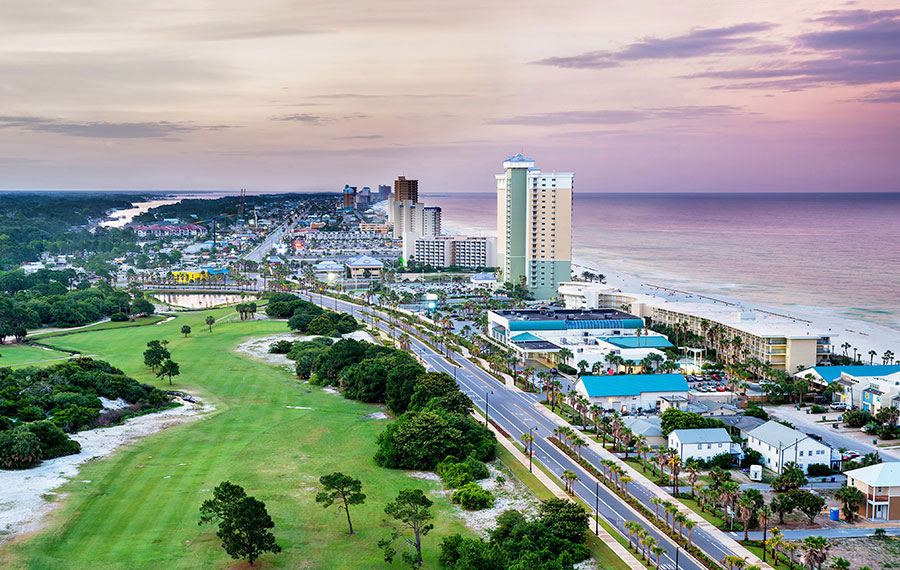
Panama City Beach isn’t just a destination. It’s a vibrant experience filled with sparkling turquoise waters, sugar-white sands, and endless sunshine. But there’s so much more to this coastal paradise than what meets the eye! Beneath its picture-perfect surface lies a treasure trove of fun and fascinating stories begging to be uncovered. Did you know it’s home to record-breaking wonders, quirky local legends, and unique natural features you won’t find anywhere else? Whether you’re new to PCB or a sandy-toed regular, these 25 fun facts will have you falling even more in love with this sunny escape. From fascinating history to unexpected surprises, there’s plenty to discover about what makes Panama City Beach a must-visit spot for travelers of all kinds!
1) Panama City Beach’s white sand originated from the mountains.
The stunning white beaches of Panama City Beach owe their unique color and texture to an incredible geological journey that began in the Appalachian Mountains. Thousands of years ago, these mountains, rich in quartz, began to erode. Tiny quartz crystals were carried by rivers and streams, embarking on a long voyage to the Gulf of Mexico. Along the way, these crystals were subjected to countless cycles of tumbling and grinding, propelled by freshwater currents and, eventually, waves. This constant movement smoothed and fragmented the quartz into fine, sugary grains of sand. The result is the dazzling white sand that has become synonymous with the Emerald Coast. This pure, reflective sand greatly influences the vibrant color of the water. When sunlight hits the shallow Gulf over the sandbars, the light interacts with the sea floor, enhancing the water’s luminous emerald green hue. Together, the pristine sand and sparkling waters create a breathtaking natural spectacle that has captivated visitors from all over the world.
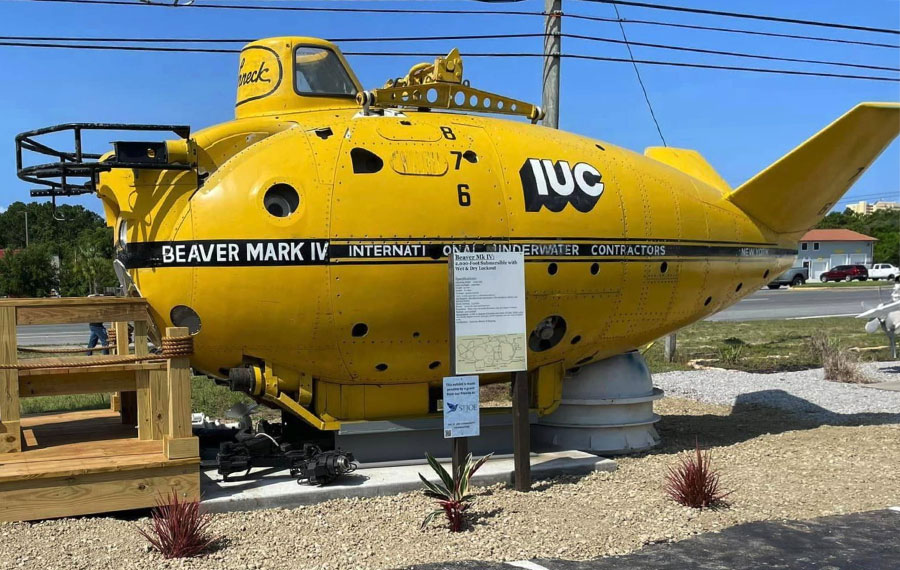
2) The only deep sea diving museum in the U.S. is in Panama City Beach.
The Man in the Sea Museum offers a fascinating glimpse into the underwater world and the technologies that make exploration beneath the waves possible. This unique museum showcases an impressive collection of artifacts, from vintage diving helmets and early scuba equipment to deep-sea submersibles and innovative salvage tools. Visitors can marvel at historic pieces like the Navy SEALAB I and various atmospheric diving suits, which were pioneering milestones in underwater research and exploration. The museum’s exhibits bring the history of deep-sea adventures to life, weaving stories of daring explorers, groundbreaking scientific discoveries, and the evolution of underwater technology. Whether you’re peering into the restored subs or walking among displays of timeworn equipment, you’ll feel a connection to humanity’s relentless curiosity about the ocean’s depths. Interactive exhibits and knowledgeable staff enrich the experience, making it not only educational but also fun for visitors of all ages. The Man in the Sea Museum paints a vivid portrait of the challenges and triumphs of underwater exploration, giving everyone a chance to appreciate the incredible strides made in unlocking the ocean’s mysteries.
3) Panama City Beach is still the number one Spring Break destination in the U.S.
Panama City Beach has firmly cemented its status as the leading Spring Break destination in the country, drawing close to half a million students each year during the spring season. This sandy paradise, known for its turquoise waters and pristine white beaches, offers the quintessential Spring Break experience that keeps students returning year after year. The city’s vibrant atmosphere is unparalleled, with an electric mix of events, parties, and activities that cater to everyone, whether you’re there to dance the night away or enjoy a relaxing day on the shore. Iconic beach bars, live music festivals, and world-class DJs turn the coastline into a non-stop party, while the mile-long stretches of warm sand provide the perfect spot for unwinding under the sun. For those looking for adventure, Panama City Beach boasts activities like parasailing, jet skiing, and banana boat rides, ensuring that the fun extends far beyond the shoreline. Students also flock here for its affordability and the sense of community that arises during Spring Break, where strangers become friends through shared laughter, games, and memories made in the sun. The energy of the crowds, set against the backdrop of stunning sunsets and rhythmic waves, makes Panama City Beach truly unmatched as a college crowd destination. It’s no wonder it sits atop the list, thriving as a legendary getaway that captures the essence of youth, freedom, and the ultimate beach party.
4) Shipwreck Island Waterpark started in 1976 with just one ride.
Shipwreck Island Waterpark in Panama City Beach opened its gates in 1976, marking the start of what would become a beloved local treasure. Originally, the park featured just one ride, the Zoom Flume waterslide, a thrilling attraction that offered an exhilarating escape from Florida’s summer heat. Over the years, this modest beginning evolved into a multifaceted waterpark, drawing visitors from near and far. Shipwreck Island gradually expanded to include a diverse array of slides, splash zones, wave pools, and lazy rivers, transforming the park into a vibrant destination for families and thrill-seekers alike. Among its standout features are the Raging Rapids, the Pirate’s Plunge, and the fan-favorite wave pool that creates the feel of ocean waves in a controlled, exciting environment. Over decades of growth, Shipwreck Island has maintained its charm, standing out for its fun, family-oriented atmosphere and dedication to providing a safe, clean experience for all its guests. More than just a collection of rides, the park has become a cherished piece of Panama City Beach’s identity, creating countless memories for both residents and tourists who return year after year to enjoy its sunny, splash-filled thrills. Today, it remains a testament to how vision, creativity, and community spirit can turn a single waterslide ride into a cultural gem.
5) Panama City Beach hosts the annual Florida Ironman Triathlon.
Since 1999, Panama City Beach has been the proud host of the Florida Ironman Triathlon, solidifying its reputation as a premier destination for endurance athletes from around the globe. This prestigious event challenges participants to push their physical and mental limits through a daunting combination of a 2.4-mile swim in the Gulf of Mexico, a 112-mile bike ride across scenic but demanding terrain, and a grueling 26.2-mile marathon run. Beyond the physical feats, the triathlon serves as a celebration of human perseverance and determination, drawing thousands of competitors and spectators each year. Its lasting presence has had a profound impact on the local community, boosting tourism and showcasing the area’s stunning beaches, vibrant hospitality, and warm Southern charm. Hotels, restaurants, and businesses eagerly prepare to welcome athletes and their supporters, creating an atmosphere of excitement and camaraderie throughout the town. For Panama City Beach, the Ironman is more than just a race; it’s an annual tradition that shines a spotlight on what makes this coastal gem so unforgettable.
6) Thunder Beach is one of the largest motorcycle rallies in the country.
Twice a year, Thunder Beach roars into Panama City Beach, transforming the area into a vibrant hotspot for motorcycle enthusiasts from across the country. Recognized as one of the largest motorcycle rallies in the United States, this event draws thousands of riders and spectators to the scenic coastline. Visitors can look forward to a packed schedule featuring live music, custom bike shows, scenic rides along the Gulf, and an energetic vendor village offering everything from gear to gourmet food. The rally’s lively atmosphere is fueled by camaraderie and the shared love of all things motorcycle, creating a unique experience where roaring engines and stunning beach views come together. For locals and visitors alike, Thunder Beach brings an unforgettable mix of celebration, excitement, and community.
7) Panama City Beach has a number of nearby diveable shipwrecks.
Panama City Beach proudly wears its title as the Wreck Capital of the South, thanks to the Gulf of Mexico’s rich underwater history dotted with countless shipwrecks. These watery graves tell stories of adventure, trade, and even wartime tragedy, drawing divers from far and wide. Among the most famous wrecks is the Empire Mica, a 465-foot British tanker that met its fate during World War II. Torpedoed by a German U-boat in 1942, the Empire Mica now rests off the Florida coast as a poignant reminder of the region’s dramatic past. Today, this massive wreck and many others are accessible to divers, offering a glimpse into history beneath the waves. The clear waters of the Gulf make it a diver’s paradise, where coral-encrusted vessels and curious marine life create an unforgettable experience. Whether you’re a seasoned diver or a curious beginner, exploring these wrecks is a must-do for anyone visiting Panama City Beach.

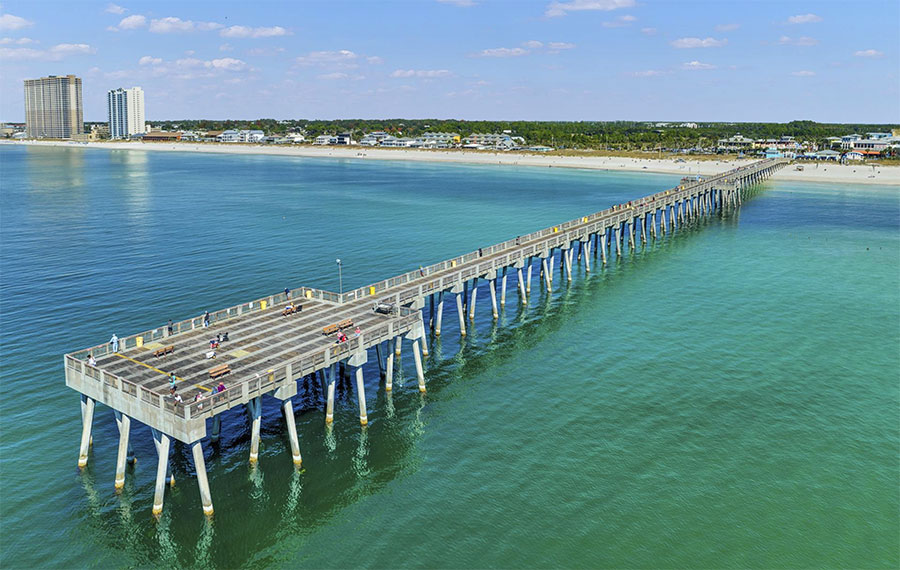
8) Russell-Fields Pier stretches 1,500 feet into the Gulf.
Panama City Beach boasts a unique gem that sets it apart from other destinations along the Gulf Coast: the remarkable Russell-Fields Pier, the only deep-sea fishing pier in the area. Stretching an impressive 1,500 feet into the sparkling waters of the Gulf of Mexico, this pier is not only one of the longest along the coastline but also a haven for fishing enthusiasts and sightseers alike. Anglers flock here year-round to cast their lines into the deep waters, hoping to reel in everything from king mackerel to redfish, while others simply stroll the length of the pier to take in the stunning views. During the golden hours, the pier transforms into an oasis for sunset seekers, offering unobstructed panoramas of the sun sinking below the horizon, painting the sky with breathtaking hues of orange, pink, and purple. Whether you’re a seasoned fisherman, a lover of nature’s beauty, or simply someone looking for a peaceful escape, the Russell-Fields Pier promises a memorable experience at the heart of Panama City Beach.
9) Panama City is known as the Seafood Capital of the South.
Panama City is famous for seafood dining, and for good reason. With hundreds of restaurants dotting the city, it offers a culinary paradise for lovers of oceanic cuisine. Whether you’re craving freshly shucked oysters, buttery lobster tails, or a perfectly grilled grouper, the choices seem endless. Thanks to its prime location along the Gulf of Mexico, the city boasts a steady supply of fresh, local seafood, ensuring every plate is as flavorful as it is authentic. Locals and visitors alike are drawn to the variety, from casual beachfront shacks serving fried shrimp baskets to upscale establishments crafting gourmet lobster dishes. Every restaurant seems to have its own take on Gulf Coast favorites, giving diners the chance to experience the region’s rich culinary traditions with each bite. This diversity and dedication to top-quality cuisine have solidified Panama City’s reputation as the Seafood Capital of the South, making it a must-visit destination for anyone who loves the taste of the ocean.
10) Florida’s 30A Highway enforces a 4-story building height restriction.
Panama City Beach’s neighboring 30A Scenic Highway is a captivating stretch of road that weaves through 16 charming and distinct communities, each offering its own unique character and appeal. This picturesque area is known for its stunning beaches, clear turquoise waters, and a commitment to preserving its natural beauty and small-town charm. One of the most notable aspects of this region is the strict 4-story height limit that was put into place in 2006, an intentional effort to maintain a consistent, low-rise aesthetic that complements the serene surroundings. Prior to this regulation, only two condo towers were constructed, and these stand as the lone high-rise buildings in the area, serving as a visual reminder of a time before the community-wide decision to prioritize understated coastal elegance over towering development. The result is a highway lined with cozy cottages, boutique shops, and locally owned eateries that blend seamlessly into the pristine environment, making 30A a treasured destination for those seeking a peaceful and unspoiled coastal retreat.
11) The Panama City Beach area is a dolphin haven.
Panama City Beach offers a rare opportunity to witness one of the highest concentrations of wild bottlenose dolphins in the world, making it a prime destination for marine life enthusiasts and curious travelers alike. These graceful creatures can often be spotted gliding through the turquoise waters off the coast of Shell Island, a pristine barrier island known for its unspoiled beauty and rich biodiversity. Observing these dolphins in their natural habitat is an unforgettable experience, as they playfully surface, leap, and sometimes even swim alongside boats, offering an up-close glimpse into their social and dynamic behavior. The crystal-clear waters provide the perfect viewing conditions, turning every sighting into a magical encounter. Whether you’re exploring by boat, kayak, or simply standing on the shoreline, seeing wild dolphins in this serene environment is a reminder of the region’s vibrant ecosystem and the breathtaking wonders of nature.
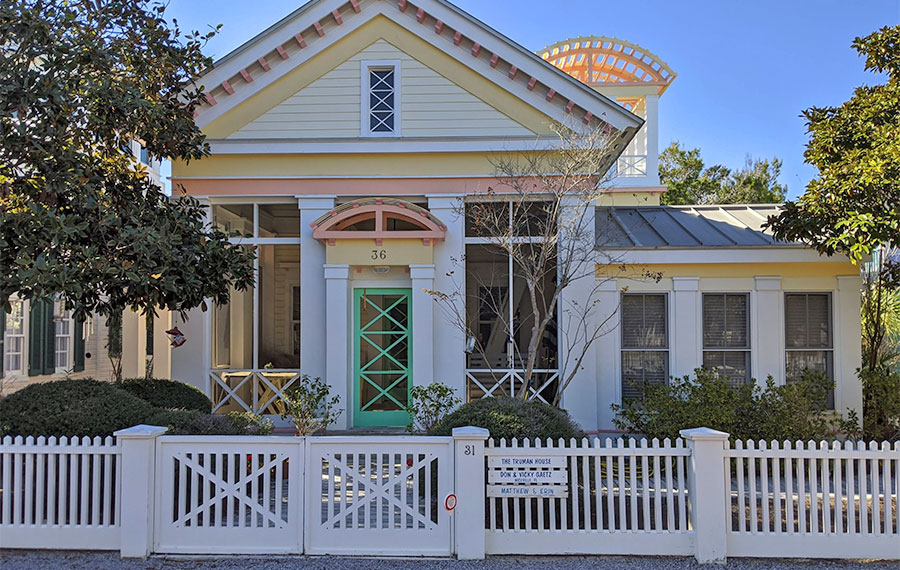
12) The town of Seaside was the shooting location for The Truman Show.
The charming community of Seaside in Santa Rosa Beach, located along Florida’s scenic 30A, holds a fascinating claim to fame as the filming location for the 1998 cult classic, The Truman Show. This picturesque community, known for its pastel-colored homes, white picket fences, and perfectly manicured streets, served as the ideal backdrop for the fictional town of Seahaven in the movie. Its unique, storybook-like aesthetic perfectly captured the feeling of a manufactured utopia that was central to the film’s plot. Fans of the movie can immerse themselves in its legacy by visiting 31 Natchez Street, where Truman Burbank’s iconic fictional home still stands. Walking through Seaside feels like stepping right into the movie, with its idyllic, almost cinematic charm bringing scenes from the film to life. The town’s timeless beauty, combined with its role in one of the most thought-provoking films of the late 90s, makes Seaside a must-visit destination for film buffs and casual visitors alike.
13) Lake Powell is the largest of the unique coastal dune lakes along 30A.
Coastal dune lakes are natural treasures that stand out for their incredible rarity and beauty. Found in only four places on Earth—New Zealand, Australia, Madagascar, and Florida’s 30A—these lakes are truly one of a kind. South Walton boasts 15 of these unique ecosystems along Scenic Highway 30A, each seamlessly blending freshwater and saltwater through seasonal outflows. Among them, Lake Powell is the largest, offering a stunning example of a thriving coastal dune lake. Situated on the eastern edge of 30A, it’s also the closest to Panama City Beach and the only lake of its kind located partially in Bay County. These lakes not only add to the area’s natural charm but also serve as vital habitats for diverse wildlife and plants, making them a must-see for nature enthusiasts and local explorers alike.
14) The area of Panama City was settled by loyalists during the Revolutionary War.
Panama City along the Emerald Coast boasts a rich and dynamic history that traces back to its founding by loyalists during the Revolutionary War. Drawn to the fertile land and natural resources, these settlers established thriving industries such as indigo farming, naval stores, and lumber production, laying the groundwork for the area’s economic potential. By the Civil War era, the modest fishing village of St. Andrew, which would eventually merge into what is now Panama City, became known for its fisheries and saltworks. These vital resources, however, were targeted and destroyed by Union forces, disrupting the local economy. Despite such setbacks, the area demonstrated resilience, gradually evolving with time. It wasn’t until World War II that Panama City truly transformed, experiencing a population explosion driven by the surge in industrial activity to support the war effort. This wave of growth marked a turning point, reshaping the city from its humble beginnings into a prosperous hub with deep historical roots that continue to shape its identity today.
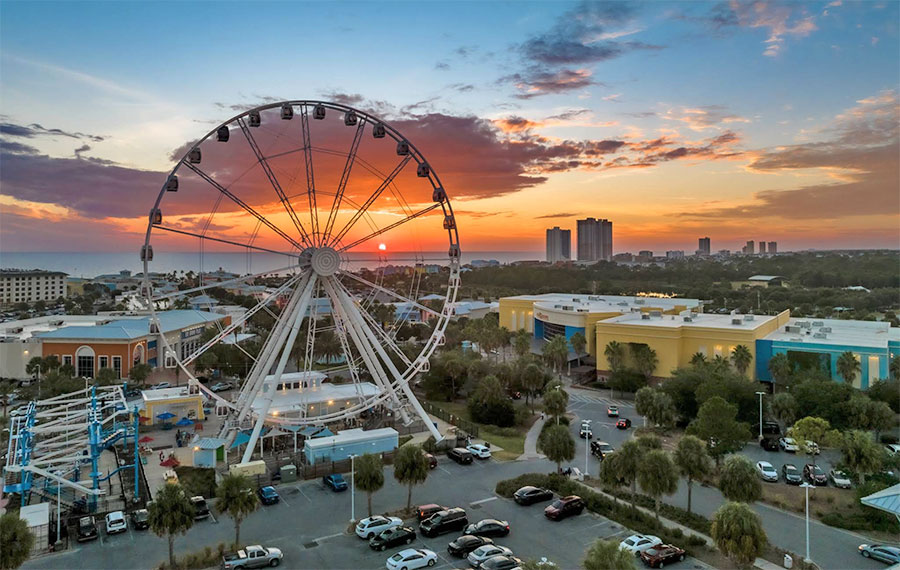
15) The PCB Wheel at Pier Park is 20 stories tall.
Standing an impressive 187 feet in height, the PCB Wheel at Pier Park in Panama City Beach is a must-visit attraction that offers breathtaking views and memorable experiences. Its towering height provides visitors with panoramic vistas of the stunning Emerald Coast, making it a favorite for capturing unforgettable photos or just soaking in the beauty of the area. The SkyWheel features fully enclosed, climate-controlled gondolas, ensuring a comfortable ride regardless of the weather, so visitors can relax and enjoy the scenery in style. Perfect for families, couples, and thrill-seekers alike, this iconic observation wheel combines adventure with a touch of luxury, delivering a unique perspective of this vibrant beachside destination. Whether visiting during the day or when the wheel lights up the night, it promises a ride to remember!
16) Panama City Beach’s artificial reefs include more than just shipwrecks.
The artificial reefs in Panama City Beach are a fascinating example of how human ingenuity can create unexpected opportunities for marine life. While many people picture sunken ships as the backbone of these underwater habitats, the truth is even more intriguing. Discarded military tanks, enormous bridge spans, and even fleets of retired subway cars have been repurposed to construct these thriving reefs. These durable materials, which might otherwise have ended up as waste, are carefully cleaned and prepared before being sunk strategically in the Gulf of Mexico. Once underwater, they become the foundation for coral growth, providing shelter and breeding grounds for countless marine species. Fish, crabs, and other creatures quickly colonize the structures, transforming them into bustling underwater communities. Beyond helping marine life, these reefs also enhance the local ecosystem by balancing populations and supporting biodiversity. For Panama City Beach, these reefs aren’t just about ecological benefits; they also attract divers and anglers, making the area a hotspot for eco-tourism and recreation while showcasing the incredible potential of sustainable resource use.
17) Ripley’s at Panama City Beach has several unique pop art mosaic portraits.
Ripley’s Believe It or Not! in Panama City Beach offers a truly unforgettable experience for art enthusiasts and curious visitors alike, thanks to its extraordinary collection of pop art exhibits. Prepare to be amazed as you explore iconic portraits brought to life with unconventional and surprising materials. Picture a vibrant and bold image of Nicki Minaj, crafted entirely from lipsticks, or a stunning tribute to Jimi Hendrix, pieced together using only guitar picks. The creativity doesn’t stop there—you’ll find a mesmerizing recreation of the Mona Lisa using hundreds of colorful jelly beans, as well as a striking computer key mosaic of John F. Kennedy that blends technology with art in a way you’ve never seen. Each piece honors the legendary figures it depicts while showcasing the unexpected beauty that can emerge from everyday objects. Visitors can’t help but marvel at the ingenuity and attention to detail in every creation, leaving with a new appreciation for the boundless creativity of pop art.
18) Panama City holds a place in criminal justice and amendment law history.
Set along Florida’s Gulf Coast, Panama City holds an unexpected spot in the annals of American legal history as the origin of the monumental Supreme Court case Gideon v. Wainwright in 1963. This landmark decision forever altered the United States justice system by affirming that every accused individual, regardless of their financial means, is entitled to legal representation at the government’s expense if they cannot afford an attorney. The case began when Clarence Earl Gideon, a drifter with limited education, was arrested for burglary in Panama City and denied a public defender during his trial because Florida law only provided appointed counsel for defendants in capital cases. Forced to represent himself, Gideon was convicted, but his handwritten appeal to the Supreme Court ultimately led to a unanimous decision that expanded the Sixth Amendment’s right to counsel. The ripple effects of this decision shaped the foundation of due process and fairness in the American legal system, ensuring that poverty would no longer be a barrier to a fair trial. Panama City, while often recognized for its scenic beauty, thus holds a vital legacy as the birthplace of a case that underscored the principle of equal justice under the law.
19) The Sea Dragon took 11 years to build the old-fashioned way.
The Sea Dragon is an amazing piece of craftsmanship with a story as captivating as the adventures it promises. Built right here in Panama City, her keel was laid in 1982, and it took an incredible 11 years of dedication to complete her, finally setting sail in 1993. This 85-foot-long, 26-foot-wide vessel is powered by two John Deere diesel engines and carries an awe-inspiring weight of 157,000 pounds. Modeled after the historical pirate ships that once prowled these waters, the Sea Dragon is now a family-friendly attraction that brings the magic of the Golden Age of Piracy to life. Families can climb aboard for a tour that’s equal parts adventure and fun, with exciting activities for all ages, from treasure hunts to swashbuckling entertainment on the emerald waters of the Gulf. Enjoy an exciting and scenic 2-hour family pirate cruise that includes dolphin sightings, great music, and non-stop buccaneer activities for the kids.
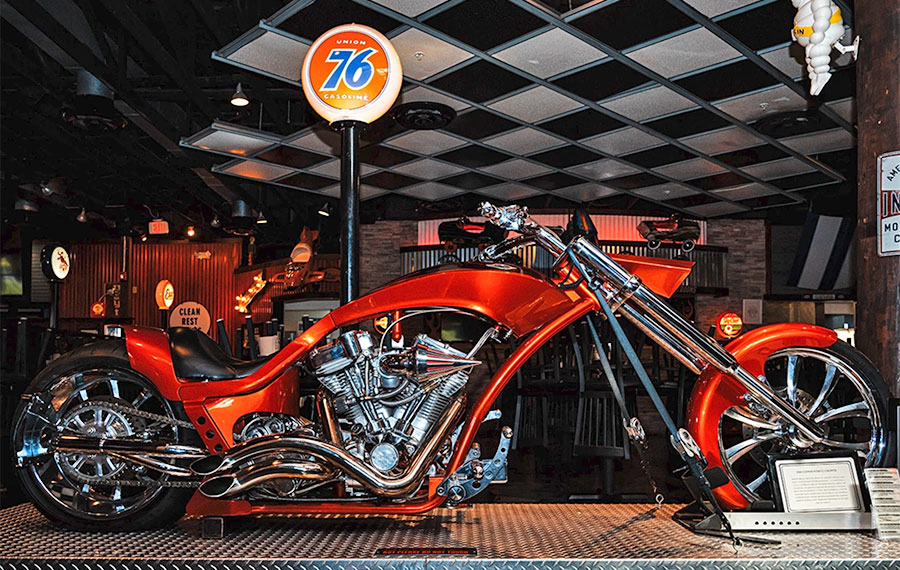
20) The Wicked Wheel has won “Best Fried Chicken” in Bay County for over 10 years.
The Wicked Wheel in Panama City Beach is more than just a place to grab a bite; it’s a destination that combines character, flavor, and Southern charm. Walking into the restaurant feels like stepping into a vintage automotive garage fused with a rock-and-roll vibe, thanks to its unique decor featuring classic motorcycles, car-themed accents, and bold industrial touches. The eclectic atmosphere sets the stage for a menu that celebrates comfort food with an exciting twist. Known far and wide for its award-winning fried chicken, The Wicked Wheel has proudly held the title of “Best Fried Chicken” in Bay County for over a decade, a testament to their dedication to flavor and quality. Beyond their legendary chicken, their menu offers Southern favorites like fried green tomatoes, fresh seafood dishes, hearty burgers, and indulgent sides like mac and cheese and jalapeño cornbread. It’s the perfect spot to unwind after a day at the beach, where the food is just as unforgettable as the warm, lively ambiance. Whether you’re a local or a visitor, The Wicked Wheel serves up an experience that keeps people coming back for more.
21) Panama City was named in 1909 after Panama in Central America.
Before it became Panama City, this area in Florida went through several names, each reflecting a different historical moment. It was first known as Floriopolis, then Park Resort, and later Harrison, until it finally gained the name we recognize today. The change came in 1906, thanks to George Mortimer West, who saw an opportunity to link the city’s identity to the excitement surrounding the construction of the Panama Canal. West aimed to spark real estate interest, reasoning that the name “Panama City” would resonate with people drawn to the canal’s global significance. Not only was the name inspired by the canal’s fame, but geographically, the city fit neatly into the story. If one were to draw a straight line from Chicago to Panama, the route would pass directly through the area. Additionally, this location held strategic importance as the U.S. mainland’s closest port to the Caribbean entrance of the canal. The move proved effective, as Panama City grew over the following years and was officially incorporated in 1909, solidifying its name and place in history.
22) The Panama City Publishing Company Museum served four different newspapers over its 100+ year history.
Tucked away in the historic heart of St. Andrews, the Panama City Publishing Company Museum serves as a fascinating window into the evolution of print media and local history. Stepping inside, visitors are greeted by an impressive array of vintage printing presses dating back to the early and mid-20th century, each one a testament to the craftsmanship and ingenuity of another era. This building once bustled with the hum of these machines as they produced influential newspapers like the Panama City Pilot, the St. Andrews Bay News, and the Lynn Haven Free Press, before eventually becoming home to the renowned Panama City News Herald. The museum not only preserves these iconic presses and publications but also tells the story of the pivotal role they played in shaping community dialogue and local identity. It’s a place where history comes alive, offering visitors a chance to explore the technology, artistry, and dedication behind the printed word that informed generations. With its intimate charm and rich narrative, the museum appeals to history buffs, printing enthusiasts, and anyone curious about how this small corner of Florida made its mark through the power of the press.
23) Panama City includes four historic neighborhoods: St. Andrews, Millville, Glenwood, and Downtown Panama City.
Panama City is home to four distinct historic neighborhoods, each offering its own charm and character. St. Andrews boasts a rich maritime history, with its picturesque waterfront, quaint shops, and lively restaurant scene giving it a coastal village vibe. Just east, Millville stands out with deep roots in industrial history, showcasing remnants of its shipbuilding past alongside a tight-knit, hardworking community spirit. Glenwood, known for its cultural heritage, radiates energy through its arts, music, and soul food traditions, making it a hub for those seeking authentic, creative experiences. Meanwhile, Downtown Panama City offers a blend of historic charm and modern appeal, featuring scenic parks, buzzing art galleries, and a variety of events that bring the community together. These neighborhoods showcase the diversity and shared pride of Panama City while inviting visitors to explore the stories that shape this remarkable Gulf Coast destination.
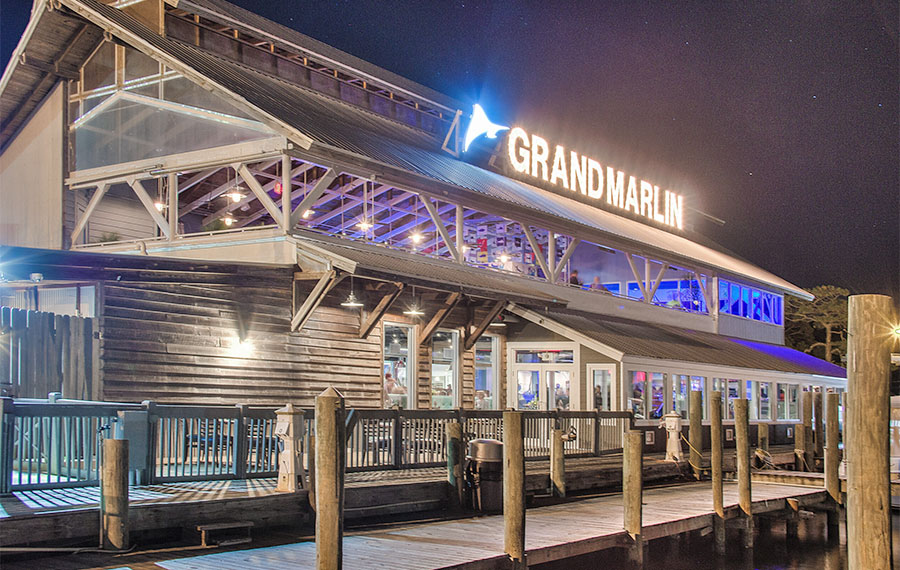
24) Gregg McCarthy, chef at The Grand Marlin, was featured on PBS’s Great Chefs Series.
Chef Gregg’s culinary achievements and passion for exceptional food have positioned him as a standout figure in the industry. A graduate of the prestigious Culinary Institute of America, he has built a career full of remarkable milestones, from cooking at iconic establishments like Washington D.C.’s Old Ebbitt Grill to The Hotel Crescent Court in Dallas. His talents have earned him numerous awards and a notable feature on PBS’s Great Chefs series. Chef Gregg has also showcased his skills as a guest chef at the esteemed James Beard House, a coveted honor in the culinary world. Before bringing his expertise to The Grand Marlin, he served as Corporate Executive Chef for Ray’s Restaurants in Atlanta, overseeing beloved spots like Ray’s on the River and Ray’s in the City. Now, with his love of creating innovative dishes, he sees the fresh seafood of the Gulf Coast as the perfect canvas to craft bold, tantalizing flavors that highlight the ocean’s finest offerings. Chef Gregg’s dedication to his craft is evident in every dish he creates, making him a true culinary talent and The Grand Marlin one of Panama City Beach’s standout restaurants.
25) The Panama City area’s water color is unusual for some different reasons.
The iconic, striking green color that area beaches are known for comes from sunlight reflecting off the bright white sand beneath the shallow, clear waters, creating a vibrant and captivating landscape along the Emerald Coast. Occasionally, though, you might notice areas where the water takes on a dark brown or tea-stained hue, particularly near outfall pipes along the shore. While this change might look odd at first, it’s a completely natural and harmless phenomenon caused by tannins. These organic compounds, produced as pine needles, leaves, and grasses naturally break down in spring-fed lakes across the region, color the freshwater that flows into the Gulf after heavy rainfall. This process is not only safe for people, marine life, and the environment but also showcases the unique ecological features of this area. Whether the colors are emerald-green or tinted brown, the waters of Panama City Beach remain a testament to the stunning and diverse beauty of nature.
Whether it’s the breathtaking beaches, fascinating quirks, or unique stories, Panama City Beach has a way of stealing hearts. These fun facts are just a glimpse into the wonders and surprises waiting to be discovered. If you’re ready for sunshine, adventure, and unforgettable memories, it’s time to make Panama City Beach your next destination. And for even more tips, insider info, and planning inspiration, don’t forget to check out our Panama City Beach Vacation Guide. Your perfect escape is just a click away!
Share
Related Articles

Panama City Beach Rainy Day Activities
25 Fun Facts About Tallahassee