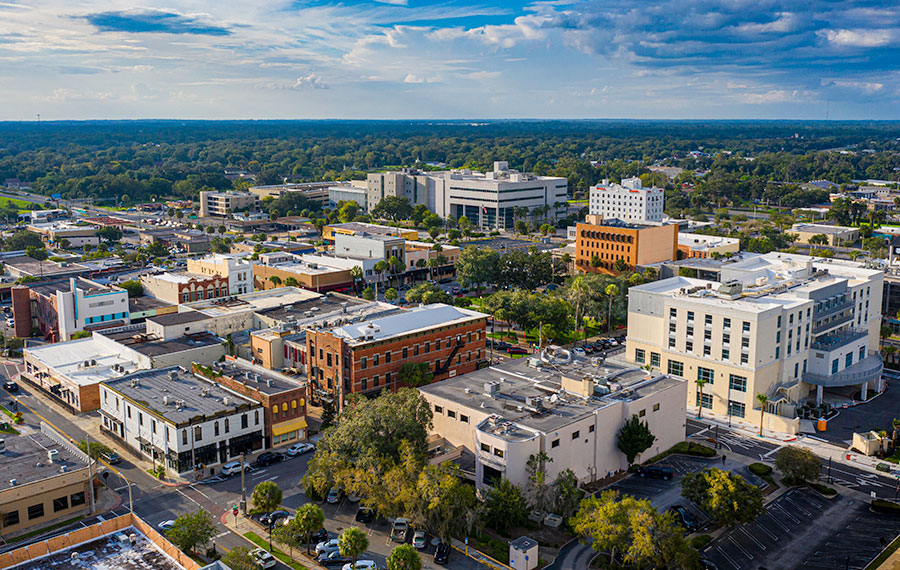
Nestled in the heart of Central Florida, Ocala is a city of rolling hills, ancient oaks, and crystal-clear springs. It’s a place where Southern charm meets outdoor adventure, creating a unique destination that often surprises first-time visitors. While many know Florida for its beaches and theme parks, Ocala offers a different kind of magic—one steeped in natural beauty, equestrian prestige, and a rich sense of community. Here, you’ll find sprawling horse farms bordered by signature four-board fences, miles of scenic trails weaving through ancient forests, and a welcoming atmosphere that instantly feels like home. From its prestigious equestrian heritage to its deep-rooted history, there’s much more to this city than meets the eye.
In this article, we’ll take you on an immersive journey through 25 fun and fascinating facts about Ocala. You’ll discover why it’s called the “Horse Capital of the World,” delve into the stories behind its iconic natural wonders, and learn about the unique attractions that set it apart from every other city in Florida. Whether you’re a history buff, a lover of the outdoors, or a fan of art and culture, Ocala offers something to delight you. Prepare to see a side of Florida you never knew existed, and maybe even start planning your own adventure to this remarkable city.
The Equestrian Epicenter
1. It’s the “Horse Capital of the World”
Ocala proudly holds the trademark for the title “Horse Capital of the World,” and it’s not just a catchy phrase—it’s a hard-earned distinction supported by decades of tradition, innovation, and success in the equestrian world. The area’s unique limestone-rich soil creates nutrient-dense grass, perfect for raising strong and healthy horses. This rare geological feature is shared only with one other region globally (the Kentucky Bluegrass region), which explains why some of the most famous racehorses have come from Ocala.
The relationship between Ocala and its horses runs deep. Local festivals, parades, and community events often center around equestrian themes, and there’s an unmistakable pride among residents when it comes to their city’s horse-related accomplishments. Families who have bred, trained, and cared for horses here for generations continue to pass down their knowledge, helping maintain the region’s sterling reputation. Marion County is truly a place where horses are not just animals—they’re a way of life.
2. Home to the World Equestrian Center
Further solidifying its equestrian status, Ocala is home to the breathtaking World Equestrian Center (WEC), which stands as the largest equestrian complex in the United States. Covering over 378 acres, this facility is an absolute marvel for horse enthusiasts and curious visitors alike. WEC hosts a dazzling array of national and international competitions throughout the year, from show jumping and dressage to western rodeos and breed showcases. It’s not uncommon to see Olympic-level riders and up-and-coming stars sharing the same arenas.

But the World Equestrian Center isn’t just for competitors. Visitors can stroll the impeccably landscaped grounds, browse upscale boutiques, enjoy gourmet dining in elegant restaurants, and even stay in luxury accommodations with views of the action. The destination is designed to offer a blend of sophistication and southern hospitality, making it perfect for families, couples, or anyone who wants to immerse themselves in this vibrant community. At WEC, horses are the stars—but visitors always feel like VIPs, too.
3. Over 600 Thoroughbred Farms
With more than 600 thoroughbred farms scattered across Marion County, Ocala has earned a global reputation as a breeding and training powerhouse. These farms range from small, family-owned operations to sprawling estates spanning hundreds of acres. Each one features picturesque open pastures, stately live oaks draped in Spanish moss, and quintessential white or black rail fencing. Touring these farms, you’ll likely see foals gamboling beside their mothers, trainers working with young horses, and the rhythmic pounding of hooves echoing in the early morning mist.
Ocala’s thoroughbred farms have produced legendary champions, including multiple Triple Crown race winners and Breeders’ Cup title holders. Some have played starring roles in the careers of horses that went on to earn millions in prize money and inspire fans worldwide. A drive through “horse country” is not only beautiful but feels a bit like passing through the pages of equestrian history.
4. The Gypsy Gold Horse Farm Connection
Ocala’s equestrian culture isn’t just about racing; it’s also a place of unique and compelling stories, like that of the Gypsy Gold Horse Farm. Founded by Dennis and Cindy Thompson, this farm was the first in America to introduce the Gypsy Vanner horse—a stunning, people-sized draft breed native to England and Ireland. The Thompsons were captivated by these gentle, beautifully marked horses on a trip overseas and worked tirelessly to import them to the United States.
Today, Gypsy Gold is a popular agritourism destination, offering guided walking tours where guests can meet the horses up-close, learn about the breed’s fascinating history, and witness firsthand the bond between humans and these gentle giants. The farm’s lush pastures, shaded by age-old oaks, provide a pastoral setting that’s as enchanting as its residents. Visitors consistently report that a trip to Gypsy Gold isn’t just about horses—it’s about heart, heritage, and the power of following a dream.


5. Anyone Can Saddle Up with Cactus Jack’s Trail Rides
For visitors who long to experience the equestrian lifestyle themselves, Cactus Jack’s Trail Rides is a favorite local attraction. Nestled within the extensive Florida Greenway, this outfitter provides guided horseback tours that weave through serene pine forests, over gentle hills, and along rustic trails bordered by blooming wildflowers in the spring. Whether you’re a novice or an experienced rider, the knowledgeable guides pair you with the right horse and ensure a safe, enjoyable trek.
Families, couples, and solo adventurers alike love the peaceful, immersive experience of seeing Central Florida’s natural beauty from horseback. The rides are tailored to skill level, so even children and beginners can enjoy the adventure. Along the way, guides delight in sharing stories about Florida’s unique flora and fauna, making your journey both educational and deeply memorable. For many, a day with Cactus Jack’s is the highlight of their trip to Ocala.
Natural Wonders and Outdoor Adventures
6. Silver Springs: Florida’s First Tourist Attraction
Long before the arrival of modern theme parks, Silver Springs was known as Florida’s original tourist destination—and for good reason. The area’s pristinely clear, aquamarine waters spring directly from the ground at a rate of more than 500 million gallons per day, creating a mesmerizing playground for outdoor lovers. People have been drawn here for centuries, from indigenous tribes and Spanish explorers to Victorian-era vacationers seeking the restorative powers of nature.
The most iconic way to explore Silver Springs is by taking a ride on one of its famous glass-bottom boats. This local invention, dating back to the 1870s, allows you to peer into an underwater world teeming with fish, turtles, manatees, and ancient cypress roots. As sunlight angles through the crystal water, the springs reveal breathtaking shades of blue and green. Today, Silver Springs State Park preserves this natural wonder and invites families to picnic, hike shaded trails, paddle kayaks, and make memories in a setting unlike anywhere else in Florida.

7. Hollywood’s Favorite Underwater Set
Silver Springs’ dreamlike beauty hasn’t gone unnoticed by filmmakers over the last century. In fact, it has played host to more than 100 movies and TV shows, cementing its place as Hollywood’s underwater backlot. The clear, steady water offered the perfect conditions for filming complicated scenes, especially those involving underwater action.
Timeless adventures like Tarzan the Ape Man and Creature from the Black Lagoon brought swashbuckling heroes and mysterious monsters to life beneath the surface of Silver Springs. The 1965 James Bond epic, Thunderball, made use of the springs’ clarity for its intense underwater chase scenes. Visitors can even still spot some of the submerged artifacts left behind—such as prop statues or colorful set pieces—if they look carefully during a glass-bottom boat tour. The allure of Silver Springs hasn’t faded, and it remains a beloved retreat for nature lovers and movie buffs alike.
8. The Deep Blue of Paradise Springs
If you’ve ever wondered what it’s like to journey into the heart of the earth, then a dive at Paradise Springs might be your ticket. This privately-owned, limestone cavern has become a must-visit for certified scuba divers across the region. The entrance is a secluded, forested sinkhole, but descends into a vast, cathedral-like chamber below ground, filled with water so clear it feels otherworldly.
What makes Paradise Springs particularly special is its collection of fossilized remnants lining the walls—remnants of an era when ancient seas covered Florida. Divers can float between geological formations and marvel at seashells and other fossils dating back tens of thousands of years. The constant 72°F water ensures diving is a year-round activity, and safety briefings are always clear and thorough. Even non-divers enjoy the natural setting above the spring, perfect for relaxing picnics or exploring nearby trails.
9. Ocala National Forest is at its Doorstep
Outdoor enthusiasts are in for a treat, as Ocala sits on the edge of the sprawling Ocala National Forest—the second-largest national forest in the state, and a true jewel in Florida’s ecological crown. This wild expanse covers over 600 square miles, encompassing a dizzying array of lakes, rivers, springs, and richly forested tracts. Whether you’re a camper, hiker, kayaker, mountain biker, or bird watcher, the forest offers adventure at every turn.
Highlights include the shimmering Juniper Springs, known for its swimming and canoeing; Salt Springs, famous for its healing mineral waters; Alexander Springs, a haven for snorkeling; and miles upon miles of multi-use trails. Wildlife abounds—white-tailed deer, black bears, fox squirrels, and countless bird species make their homes here. One of the most unique sights is the scrub-jay, a rare species found only in Florida. The forest is designed for exploration, with campgrounds, rental cabins, and day-use areas for family fun in the great outdoors.

10. A Haven for Bird Watchers
Thanks to Ocala’s blend of forests, wetlands, rivers, and open fields, the region is a goldmine for bird watchers and wildlife photographers. Enthusiasts can spot graceful wading birds like great blue herons and snowy egrets patrolling the waterways at Silver Springs, or listen for the vibrant calls of songbirds in the dense woods of the Ocala National Forest. During spring and fall migrations, the sky often fills with flocks of warblers, finches, and raptors.
The Great Florida Birding and Wildlife Trail includes several stops throughout Marion County, each offering distinct opportunities for rare sightings. The prairies and freshwater marshes are home to sandhill cranes and wood storks, while the sunlit edges of the Greenway attract painted buntings and bluebirds. Whether you’re a seasoned birder with a well-traveled journal or a family searching for your first cardinal, there’s endless delight in seeing which feathered friends reveal themselves around Ocala.
A Rich and Surprising History
11. Named After a Timucuan Village
Perhaps surprisingly, the name “Ocala” is thought to originate from the Timucuan word “Ocali,” roughly translating to “Big Hammock.” The Timucua were the native tribe who inhabited North-Central Florida long before Europeans arrived. The term “hammock” refers not to a hanging bed, but to the rich, mixed hardwood forests that characterize the region—fertile land interwoven with streams and shaded by old-growth trees.
Reminders of the Timucua’s presence can be found in archaeological sites around the area and in the oral traditions preserved by local historians. Ocala’s deep connection to its native roots is celebrated through educational exhibits, school programs, and partnerships with local museums that strive to keep this important history alive. Walking beneath the towering live oaks, you can almost imagine the land as it was centuries ago: a place of shelter, abundance, and quiet beauty.
12. A City Rebuilt from Ashes
Ocala’s rich architectural heritage owes much to an event that nearly destroyed it. In 1883, a catastrophic fire blazed through the heart of downtown Ocala, consuming most of its wooden structures and leaving blocks in smoldering ruin. Faced with the daunting challenge of rebuilding, city leaders issued a decree: future buildings must be made of brick, stone, or iron, materials better suited to withstand fire.

This practical decision transformed Ocala’s appearance and led to an explosion of Victorian-era architecture. The downtown area, affectionately known as “The Brick City,” is now a tapestry of restored historic buildings—many repurposed as bustling cafés, art galleries, specialty shops, and offices. The story of resilience, innovation, and community spirit is never far from any cornerstone downtown. Take an afternoon to wander the shaded streets, and you’ll find plaques and markers sharing stories of survival and rebirth.
13. A Key Player in the Citrus Industry
Before palm trees and beaches became the default Floridian backdrop, Ocala played a central role in the state’s booming citrus industry. In the late 1800s, the surrounding groves produced copious amounts of oranges and other citrus fruits, shipping them to towns near and far. But the infamous “Great Freeze” of 1894-1895 struck a severe blow, wiping out virtually all the northern and central Florida citrus crops in a matter of days.
Although the growers eventually moved their operations further south, the legacy of this citrus heyday still lingers. Majestic old homes built by early citrus barons line portions of Ocala’s historic neighborhoods, their wraparound porches and ornate trim harking back to an era of prosperity. Today, citrus-themed festivals and farmers markets celebrate this connection, and you can often find fresh, locally grown oranges, grapefruits, and specialty preserves for sale at stands throughout the city.
14. A Hub for Phosphate Mining
In addition to its agricultural roots, Ocala once thrived as a hub for phosphate mining—a mineral commonly used in fertilizers and valued around the world. The discovery of vast phosphate deposits in the late 1800s caused an economic boom, drawing in a wave of workers, investors, and entrepreneurs. The rapid influx spurred growth in infrastructure, schools, and civic amenities, shaping modern Ocala in meaningful ways.
Reminders of this era can still be found throughout Marion County: old mining pits converted into lakes, railroads that once ferried minerals north and south, and neighborhoods that grew up around former company towns. While the mining industry has since dwindled, its impact lingers in the physical and cultural landscape of the community.

Speed, Culture, and Quirky Facts
15. The Don Garlits Museum of Drag Racing
For motorsports enthusiasts, few places offer the energy and excitement found at the Don Garlits Museum of Drag Racing. Founded by Don “Big Daddy” Garlits—a local legend and pioneer of the sport—the museum chronicles the evolution of drag racing from its early days to modern professional circuits. Inside, visitors marvel at hundreds of vehicles, artifacts, and memorabilia, including the iconic “Swamp Rat” dragsters that shattered records and changed the face of racing forever.
Beyond the displays, guests can immerse themselves in interactive exhibits, stroll the Hall of Fame honoring racing’s greatest names, and even meet Don Garlits himself on special event days. Car fans of all ages leave inspired by the ingenuity, determination, and unyielding spirit that defines the world of drag racing. And it all started right here in Ocala—a city that’s always shared the joy of racing.
16. The Appleton Museum of Art
Art lovers will find their creative appetites well-satisfied at the Appleton Museum of Art, an architectural gem constructed from gleaming Italian marble. As part of the College of Central Florida, the Appleton is home to an impressive permanent collection—over 24,000 objects ranging from European Old Masters and contemporary paintings to ancient artifacts and decorative arts.
The museum regularly features special exhibitions, educational programs, and community events designed to inspire visitors of all ages. The surrounding sculpture walk and peaceful reflecting pools make the museum grounds a beautiful spot to slow down and savor the creative spirit that permeates Ocala. Locals often cite the Appleton as proof that the city’s cultural scene is as rich and varied as its celebrated horse farms.
17. The Birthplace of a Post-It Note Competitor
Ocala boasts a quirky claim to fame: during the 1960s, it was the home of Microdyne, the company that developed “Press-On Memo,” a sticky note product that pre-dated or rivaled the now-famous Post-It Note. While Microdyne’s invention never achieved international acclaim, it remains an intriguing piece of local innovation lore. Stories about the early days of the office products industry are sometimes swapped in area business circles, a testament to the creative spirit that’s never far from the surface in Ocala.

18. Ocala is Technically “Landlocked”
Despite Florida’s reputation for sun-drenched beaches, Ocala sits firmly inland, more than an hour from either the Atlantic or Gulf coasts. This unique position in north-central Florida provides a buffer from hurricanes and the salt-laden air of the shorelines, contributing to its rolling terrain and distinctive flora. From Ocala, travelers find themselves conveniently located for day trips to numerous other Florida destinations, making it a perfect jumping-off point for a variety of adventures.
The lack of coastline doesn’t faze locals or visitors—instead, the region’s springs, rivers, and lakes provide plenty of opportunities for swimming, boating, and water sports. Plus, the hilly topography means the sunsets are spectacular, especially when viewed under the canopy of ancient oaks or reflected in the surface of a quiet spring.
19. The City Has Its Own Symphony Orchestra
Music runs deep in Ocala, thanks in part to the longstanding Ocala Symphony Orchestra. Since its founding in 1975, the orchestra has enriched the lives of residents and visitors with a diverse repertoire, from Beethoven and Tchaikovsky to movie scores and modern pops. The ensemble rehearses and performs in the historic city auditorium—a space as charming as the music itself, with art deco details and excellent acoustics.
Community outreach is a major part of the Symphony’s mission, with educational concerts, student scholarships, and youth competitions designed to foster a love of the arts. The orchestra’s annual holiday concerts are a seasonal highlight, drawing packed audiences and filling the downtown square with festive cheer. Ocala’s commitment to the performing arts truly sets it apart among Florida’s mid-sized cities.
20. A City of Majestic Oak Trees
Stroll any street in Ocala and you’ll quickly notice the grand, ancient oaks—some several centuries old—standing sentinel over yards, parks, horse farms, and roadways. These majestic trees form shady tunnels that cool the city in summer and cast a magical, dappled light on everything beneath. Their gnarled branches, adorned with delicate Spanish moss, are a signature of Ocala’s natural beauty.


Locals revere these oaks, which often become central gathering points in neighborhoods or landmarks in family stories. Preserving these treasured trees is serious business: city ordinances protect mature oaks, and many local events celebrate their importance. As symbols of endurance and steadfastness, the oaks remind residents and visitors alike that Ocala’s roots—literal and figurative—run very deep.
21. A Center for Mobile Home Manufacturing
Beyond its natural beauty, Ocala is also a powerhouse in manufacturing, particularly when it comes to mobile and manufactured homes. Numerous major companies have made their headquarters here, taking advantage of the city’s central location and skilled workforce. This industry provides significant employment and economic stability for many families in the area, shaping Ocala’s modern identity as much as its horse farms and trails.
Guided tours and factory visits (sometimes available by appointment) allow visitors to witness the innovation and craftsmanship that goes into each home. The commitment to quality and community prosperity is evident in every stage of production. The next time you pass a manufactured home park, there’s a good chance the units were built in or near Ocala!
22. John Travolta’s Aviation Estate
One of the area’s most famous residents, John Travolta, has put Ocala on the map for aviation aficionados. The actor, known for his starring roles in films like Grease and Pulp Fiction, is also an accomplished pilot. His private home is located in Jumbolair Aviation Estates, an exclusive fly-in community north of Ocala, complete with its own runway—reportedly the longest private runway in the country.
Travolta’s estate is a marvel for aviation fans, accommodating a fleet that has included a Boeing 707 and Gulfstream jets. While the property isn’t open to the public, its existence adds an air of Hollywood glamour to Ocala’s unhurried charm. Celebrity residents aside, Jumbolair stands as a testament to the region’s appeal for those with unique passions and pursuits.

23. It Has a Historic Downtown Cinema
Taking in a show at the Marion Theatre is a beloved Ocala tradition. First opened in 1941, this beautifully preserved art-deco cinema sits in the heart of downtown and has remained a cultural touchstone ever since. Lovingly restored after periods of decline, it now operates as a nonprofit community venue, screening everything from Hollywood blockbusters and indie gems to classic films and live performances.
Stepping into its richly appointed lobby is like traveling back in time; the original details—neon signage, terrazzo floors, and softly glowing sconces—create an immersive sense of nostalgia. The Marion Theatre also serves as a hub for film festivals, community events, and educational programs for aspiring young filmmakers.
24. It’s Surrounded by “The Greenway”
Ocala sits at the heart of the Marjorie Harris Carr Cross Florida Greenway, an ambitious corridor of conservation land that stretches more than 110 miles from the Gulf Coast to the St. Johns River. This “ribbon of green” serves environmental, recreational, and historical purposes—preserving wildlife habitat, connecting communities, and offering miles of trails for biking, hiking, and horseback riding.
The Greenway is a favorite playground for locals and visitors alike. Mountain bikers tackle sweeping single-track loops, equestrian enthusiasts enjoy shaded bridle paths, and families spend weekends picnicking or spotting turtles in spring-fed creeks. The corridor also preserves remnants of the never-completed Cross Florida Barge Canal—a massive engineering project whose cancellation ultimately secured these lands for the public’s enjoyment.

25. A Fast-Growing Community
While Ocala still retains its small-town charm and hospitality, it is one of the fastest-growing areas in Florida and the nation. People from around the United States and abroad are drawn by its highly affordable cost of living, warm climate, beautiful landscapes, and flourishing job market. Real estate offers a wide range of options, from grand historic estates and modern suburban neighborhoods to sprawling horse properties and maintenance-free condos.
The city government and community organizations have worked hard to strike a balance between growth and preserving the qualities that make Ocala special. Forward-thinking planning, robust park systems, arts and culture initiatives, and environmental protection efforts demonstrate a clear commitment to retaining that unique blend of adventure, relaxation, and heritage that generations have cherished.
From its world-class equestrian facilities and stunning natural springs, to its captivating history and vibrant day-to-day culture, Ocala is a city full of surprises and stories waiting to be discovered. It offers a rare combination of adventure and relaxation, making it an ideal destination whether your passion is riding horses through the dawn, diving among fossil beds, paddling crystal springs, chasing the perfect bird photo, or simply soaking up the slower pace beneath the shade of a centuries-old live oak.
Are you ready to experience the alluring charm, adventure, and hospitality waiting for you in the Horse Capital of the World? These 25 facts only scratch the surface of what Ocala has to offer. For detailed travel planning, more insider tips, and up-to-date event information, dive into our comprehensive Ocala Vacation Guide. It’s packed with everything you need to create your perfect Florida getaway—and ensures you won’t miss a single magical moment in this unforgettable city.

Share
Related Articles
Ocala Family Things To Do at Night
25 Fun Facts About Gainesville